

Moving Into A Flat: Lifts, Concierge And Parking
Moving into a flat is a different job from moving into a house. Lifts, concierge rules, fire doors and parking all shape the day, so this guide shows you what to check and when.
Why flats are different
Why Flat Moves Take Longer Than People Expect
In a house, the van parks outside and the crew walks a few metres to the front door. When you are moving into a flat, every item may travel through a car park, a fob door, a lobby, a lift, a corridor and two fire doors before it reaches your hall. Each of those steps adds time.
Then there are other people. You share the lift with neighbours, the lobby with deliveries and the street with everyone else. Many managed blocks set rules about when you can move and which lift you can use. If you do not know the rules, you find them out on the day, often from a concierge who has not been told you are coming.
We are CMR Relocation, based in Broadheath, Altrincham, and we have moved people in and out of apartment blocks since 2011. Darrin, who runs the company, wrote this guide from what our crew sees in city-centre blocks, Quays apartments and converted houses in the suburbs. The good news is that almost every problem can be solved with a phone call a week before.

Before you book
Questions To Ask Your Building Manager Before Moving Day
Send these questions to the building manager, concierge or managing agent as soon as you have a date. Ask for the answers in writing, and forward them to your removal firm.
- Is there a booking system for moves, and how far ahead must I book?
- Which days and hours are moves allowed?
- Which lift can we use, and does it have protective covers?
- Where can a removal van stop to load and unload?
- Which entrance should the crew use: front lobby, service door or car park?
- Is there a move-in form, deposit or induction to complete?
- How are keys, fobs and car park passes handed over?
- Are there rules on corridors, such as no items left outside doors?
- Where do boxes and packing paper go afterwards?
Not every building has a concierge. Smaller blocks and converted houses often have a managing agent who works office hours, or a landlord who lives elsewhere. If that is your building, ask the questions by email and allow a few days for a reply. Your lease or tenancy pack may also set out the rules, so read it first.
If you rent, the letting agent should know the building's move-in process. If you are buying a leasehold flat, ask your solicitor to request it with the management pack. Either way, get the answers before you confirm your removal date.
Lifts and lobbies
Lift Bookings, Lobby Protection And Time Slots
Booking a lift for moving is the single most useful thing you can do. In a block with one lift, a move without a booking means the crew waits while neighbours come and go. With a booking, the lift is ours for the slot, and the job runs at a steady pace.
Ask whether the building fits lift covers, or whether we should bring our own. Our crew lays protection in lobbies and corridors as well as in your flat, because marks on shared walls can become your problem later.
Time slots matter. Some buildings allow moves only in set hours, or only on weekdays. If the slot is short, tell us at the survey. We may send more people so the van is empty before the slot ends.
Check the lift's size, not just whether it works. A passenger lift may take a dining chair but not a wardrobe. Large items may need the stairs, which is fine as long as we know before the day.
Measure twice
Will Your Sofa Fit? Measuring Doors, Lifts And Stairwells
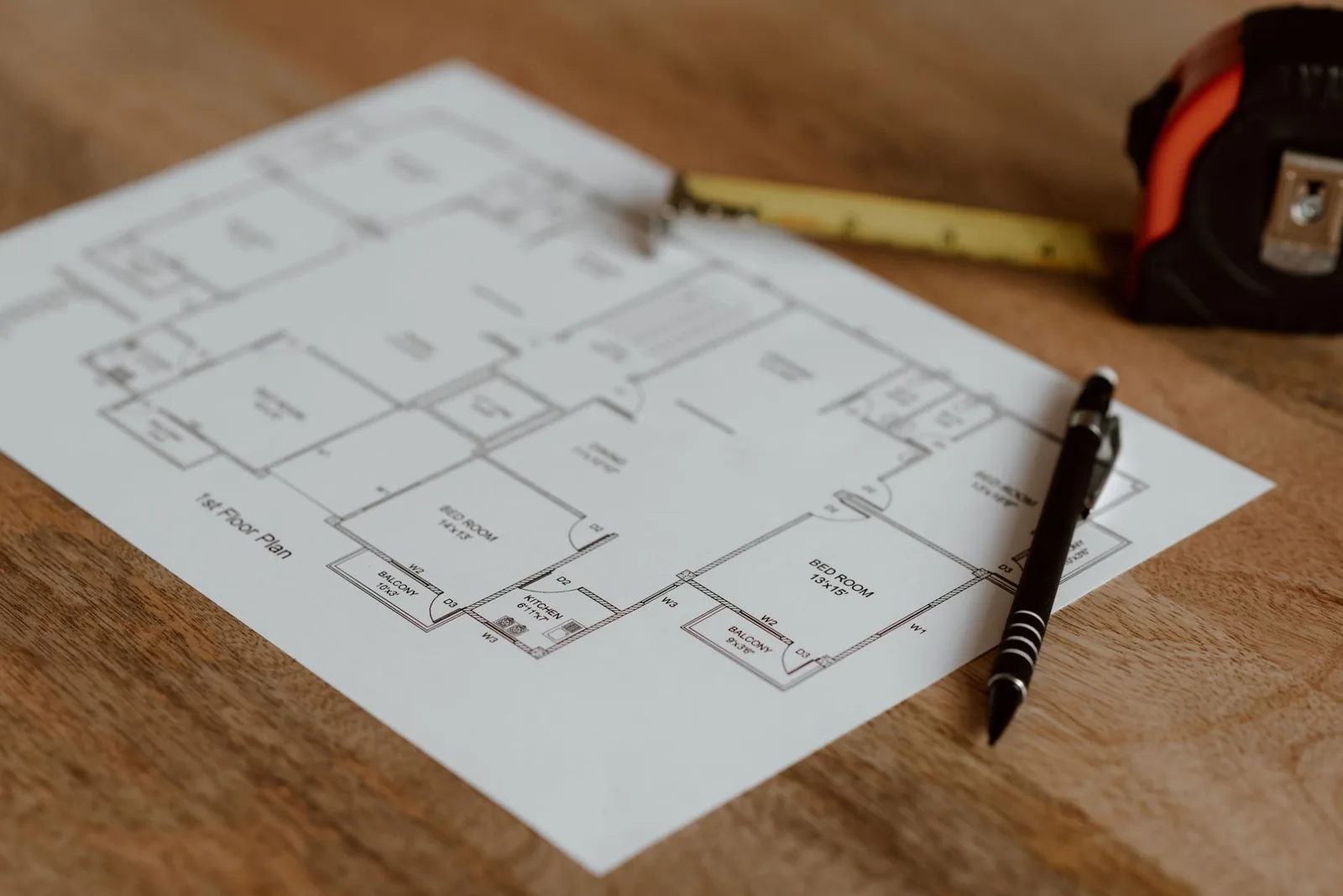
Moving furniture into a flat fails at the tightest point, not the widest. A sofa that fits through the front door may not turn the corner out of the lift. Measure the whole route, from the street to the room where the item will live.
Measure your large items too: height, width, depth and the diagonal depth of sofas and armchairs. Write the numbers down and send them to us with your survey. If something will not fit, it is far better to know a week early. Many sofas have feet, arms or backs that come off, and beds and wardrobes can be taken apart.
| What to measure | Where | Why it matters |
|---|---|---|
| Door width and height | Main entrance, any fob doors, your front door | The narrowest door sets the limit for everything |
| Lift door opening | Width and height of the open doors | Often narrower than the lift car behind it |
| Lift car inside | Width, depth, height and the diagonal | Long items such as sofas may go in upright or on an angle |
| Corridor turns | Width at each corner, especially by the lift | Tight turns stop long items more often than doors do |
| Stairwell | Width, landing size and headroom | The back-up route if the lift is too small or out of order |
| Your large items | Height, width, depth and diagonal depth | Compare with every point above before moving day |
Fire safety
Fire Doors And Building Safety Rules On Moving Day
Fire doors are the part of a flat move people are most tempted to cut corners on. Please don't.
The Fire Safety (England) Regulations 2022 came into force on 23 January 2023. They require the person responsible for a block of flats to tell residents that fire doors should be kept shut when not in use, and that self-closing devices must not be tampered with. In blocks with storeys over 11 metres, communal fire doors must be checked every quarter, and flat entrance doors checked each year on a best-endeavours basis. You can read the GOV.UK fact sheet on fire doors for the detail.
On moving day, that means no wedges, no door stops and no taped-back closers. Our crew holds doors by hand, or one person stands at a door while the others carry. It is slower by a few minutes, and it keeps the building safe and the managing agent happy.
- Never wedge or prop a fire door, even for a minute
- Do not disconnect or loosen a door closer
- Keep corridors and stairs clear: no boxes left outside doors
- Report any door damaged during the move to the building manager straight away
- Check where the fire exits and assembly point are on your first evening
Keep the route clear too. Boxes stacked in a corridor block an escape route. We bring items straight from the lift into your flat and never stage them in shared areas.
Parking and loading
Parking And Loading Outside Manchester And Salford Blocks
Most city-centre blocks have no space for a removal van at the door. Some have a loading bay or a service yard; many have only the street. Ask the building where vans can stop, then check the street rules.
In Manchester, the city council can suspend pay and display bays for domestic removals, and can grant a dispensation to park on yellow lines for a set time. It asks for at least five working days' notice. See Manchester City Council's suspensions and dispensations page before you book.
In Salford, short suspensions are requested by email with at least 72 hours' notice, not counting weekends. The council lists the charge as £15 per day per vehicle space, which covers signs, cones and enforcement. Suspensions longer than 14 days need a temporary traffic order (Salford City Council, checked October 2026).
Our pages on moves around Salford Quays and MediaCityUK and city-centre removals in Manchester cover local loading in more detail.

Your first flat?
Packing For A Flat Where Space Is Tight
Flats have less room to stack boxes while you unpack. Label every box with the room and a short list of contents, so it goes straight to the right place. Keep box sizes small for books and kitchen kit, because heavy boxes are hard to carry down long corridors.
Think about what will fit before you pack it. A flat may have less cupboard space and no loft or garage. Our guide to how much stuff you are moving helps you size the job. Items you want to keep but cannot fit can go into our containerised storage at Broadheath until you decide.
If you would rather hand over the packing, our professional packing team brings boxes, paper and tape and works room by room.
Leaving a flat
Moving Out Of A Flat: The Same Checks In Reverse
Everything above applies when you leave, plus a few extra jobs.
- 1
Book the building
Ask your building for a lift slot and loading space on the day you leave, just as you would to move in.
- 2
Measure for the new home
Check the new route too, so nothing leaves your flat that cannot get into the next place.
- 3
Return fobs and passes
Hand back keys, fobs and car park passes, and get a written note that you did.
- 4
Clean and photograph
Photograph the empty flat, the meters and any shared areas you used, with the time showing.
If you rent, our guide to moving out of a rented home under the 2026 rules covers notice and deposits. We also move people from flats into houses and back again in Didsbury, Chorlton, Stretford and the wider Salford area, where many flats are in converted Victorian houses with steep stairs and no lift.
Moving into a flat goes well when the building knows you are coming. Ask the questions early, measure the route, keep fire doors shut and sort the parking. Our home removals service covers flats of every size, and you can read what customers say about our crew on Trustpilot.
Moving into or out of an apartment? Call Darrin or the team on 0161 478 3639 and we will plan it around your building.
Get a free quoteFAQs
Moving Into A Flat Or Apartment: Your Questions
Still unsure about something in this guide? Darrin is happy to talk it through.
Do I need to book the lift when moving into a flat?
In many managed blocks, yes. Ask the building manager or concierge whether there is a booking system, which lift you may use, the times allowed and whether lift covers are fitted. Book it as soon as your date is fixed and give the slot to your removal firm.
How do I know if my sofa will fit into the flat?
Measure the sofa's height, width and depth, and its diagonal depth. Then measure the entrance doors, the lift door and the inside of the lift car, every corridor turn and your flat's front door. If the tightest point is smaller than the sofa, check whether its feet or back come off before moving day.
Can removal men prop fire doors open to save time?
They should not. GOV.UK says residents in blocks of flats must be told that fire doors should be kept shut when not in use and that self-closers must not be tampered with. Our crew holds doors by hand instead of wedging them.
How much notice do councils need to suspend parking for a removal?
It varies by council. Salford asks for at least 72 hours, not counting weekends, for short suspensions. Manchester City Council asks for at least five working days for suspensions and dispensations. Check your council's page before you book.
What should I ask the building before moving in?
Ask about lift bookings, allowed moving hours, where the van can load, whether a deposit or form is needed, which entrance to use, how fobs and keys are handed over, and how bins and bulky waste work. Get the answers in writing if you can.
Is it quicker to move into a ground-floor flat?
Usually, but not always. A ground-floor flat at the back of a large block can mean a long walk down corridors, which takes more time than a short lift ride. The distance from the van to your front door matters more than the floor number.
Local area data
Compare towns across Greater Manchester and Cheshire
Thinking about where to move? Tap a town for its prices, schools, crime and commute.
Contains public sector information licensed under the Open Government Licence v3.0, including HM Land Registry data © Crown copyright and database right 2026. Data sources and notes
Prefer a list? Show all 48 towns
Manchester
Rochdale
Cheshire East
Cheshire West and Chester
Warrington
Not on the list?
Your town may still be close by. Call 0161 478 3639 to ask about your town.
Not on the list?
Your town may still be close by. Call 0161 478 3639 to ask about your town.
Not on the list?
Your town may still be close by. Call 0161 478 3639 to ask about your town.